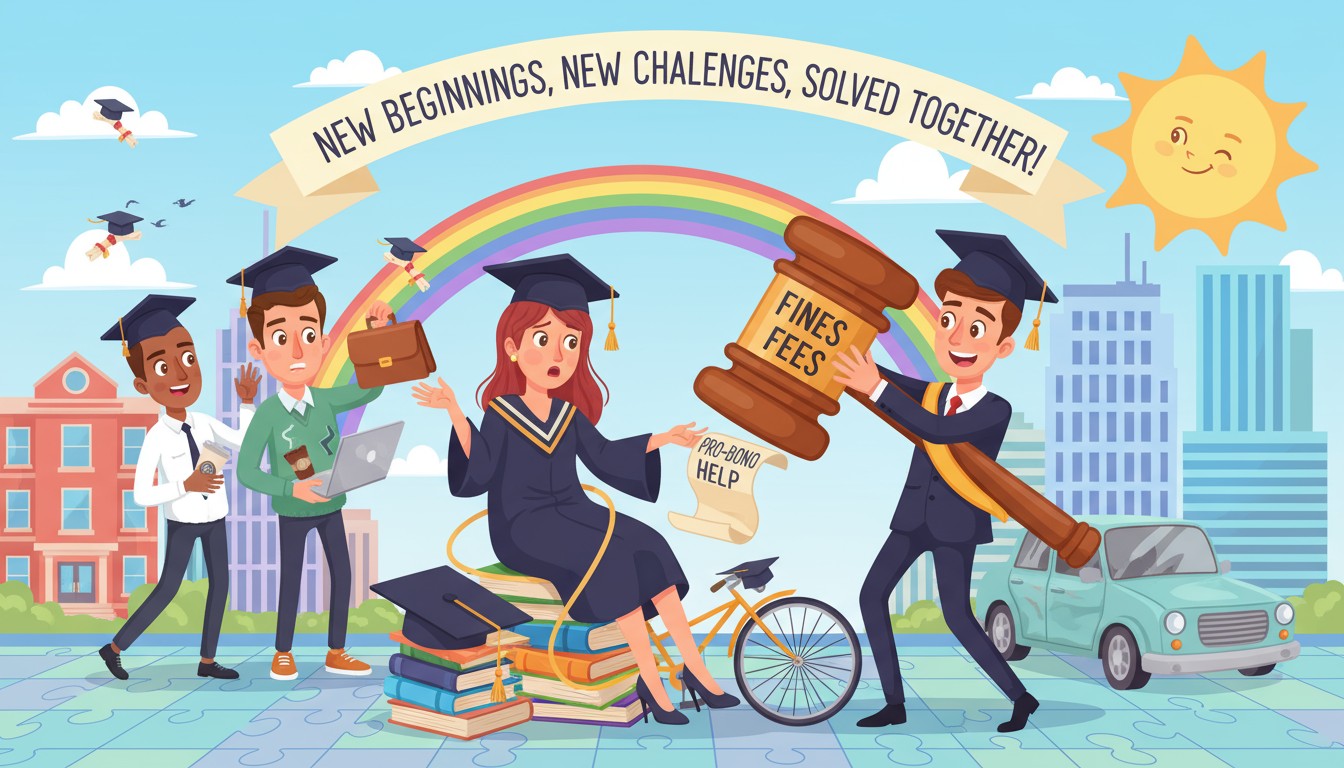
Let me start by helping you recognize why accidents that occur during your early-to-mid twenties create uniquely devastating impacts compared to identical injuries at other life stages, because the timing matters enormously even though injury severity might be the same. Think about what characterizes this particular period of life that sociologists call emerging adulthood, spanning roughly from college graduation around age twenty-two through your late twenties before major life commitments like marriage, homeownership, or children typically solidify your adult identity and circumstances. During these years, you’re simultaneously experiencing maximum life instability across multiple domains while possessing minimum resources and experience for managing crises, creating a vulnerability profile that makes serious accidents during this window potentially more disruptive to long-term life trajectories than similar accidents occurring either earlier when you had parental safety nets or later when you had established stability and resources.
Consider the financial dimension first, because this represents perhaps the most immediate crisis when accidents happen right after college. You’re probably earning entry-level wages that seemed adequate when you accepted your position but that leave very little margin for unexpected expenses once you account for rent, student loan payments, basic living costs, and maybe contributions to an employer retirement plan that you know you should maintain despite tight budgets. Your savings account likely contains somewhere between nothing and a few thousand dollars if you’ve been unusually disciplined, which means you have essentially no financial cushion for medical expenses, lost wages during recovery periods, or any other accident-related costs. Research from the Federal Reserve on financial stability across age groups consistently shows that adults under thirty have the lowest emergency savings, highest debt-to-income ratios when including student loans, and least access to family financial support compared to older age cohorts, creating a situation where even modest unexpected expenses create genuine financial crises rather than mere inconveniences.
Now layer on top of this financial vulnerability the career instability that defines early post-college years. You’re probably still in your first or second job, which means you haven’t accumulated significant vacation time or sick leave, you may still be in a probationary period where your position isn’t fully secure, and you certainly haven’t built the kind of professional capital that would make your employer willing to accommodate extended absences or modified duties during injury recovery. Additionally, this career stage involves critical trajectory-setting where the jobs you take, skills you develop, and professional networks you build during your twenties substantially determine your career options and earning potential throughout your thirties and forties. An accident that forces a three-month work absence or job loss during this crucial period doesn’t just cost you immediate income—it potentially derails career momentum at the exact moment when steady progression matters most for long-term professional development and earning capacity.
The Insurance Gap: Between Parents and Real Coverage
Let me help you grasp a critical vulnerability that affects many recent graduates when accidents occur: the insurance gap that exists during the transition from parental coverage to truly adequate adult insurance, which often means you’re technically insured but dramatically underinsured in ways you probably don’t realize until accident-related bills start arriving and you discover that your coverage falls far short of what you actually need. Think about how insurance decisions typically unfold during your early twenties. While you were in college, you probably remained on your parents’ health insurance thanks to provisions allowing dependent coverage through age twenty-six, which meant you didn’t need to think much about insurance adequacy because your parents selected plans based on family needs and budgets. After college graduation, particularly once you age off parental policies or take jobs offering employer coverage, you suddenly need to make insurance decisions independently for the first time.
These initial insurance choices typically prioritize minimizing premium costs because you’re operating on tight budgets and the risk of serious accidents seems abstract and unlikely when you’re young and healthy. This leads to predictable patterns where recent graduates select high-deductible health plans because the monthly premiums fit their budgets better than comprehensive coverage options, purchase minimum liability auto insurance that meets legal requirements but provides inadequate protection if you cause serious accidents, and often skip supplemental coverages like disability insurance or uninsured motorist protection that seem like unnecessary expenses when money is tight and major accidents feel improbable. The result creates a dangerous situation where you have insurance cards that provide false security, making you believe you’re adequately protected when actually your coverage contains gaps and limitations that will prove financially devastating if serious accidents occur during this underinsured period.
Consider what happens concretely when you’re in a serious accident with this typical young-adult insurance profile. Your high-deductible health plan means you’re personally responsible for the first three thousand to six thousand dollars of medical expenses before insurance coverage begins, which represents three to six months of savings for someone with the median twelve hundred dollars in their account. Your auto policy’s minimum liability coverage seemed adequate when you purchased it, but if you caused an accident that seriously injured another driver, your fifty-thousand-dollar liability limit might be exhausted quickly by their medical bills and lost wages, leaving you personally liable for damages exceeding your coverage limits. You don’t have disability insurance because it seemed expensive and unnecessary, which means you have no income replacement if injuries prevent you from working for extended periods. You skipped uninsured motorist coverage to save thirty dollars monthly, which now seems foolish because the driver who hit you has no insurance and your own policy won’t cover your damages when the at-fault party lacks resources to compensate you.
Career Derailment at the Worst Possible Moment
Now let me help you recognize how accidents during your early-to-mid twenties can derail career trajectories in ways that create lasting disadvantages extending far beyond immediate injury recovery periods, because the professional impacts of accidents during this particular life stage differ substantially from career disruptions that occur later when you have established professional reputations, accumulated skills, and solid employment relationships that can weather temporary absences. Think about what your first few years after college represent professionally. This period involves establishing your baseline earning potential through your initial job selections, developing foundational skills and knowledge in your chosen field, building professional networks that will create future opportunities, and proving your reliability and competence to employers who will provide references and advancement possibilities throughout your twenties and thirties.
When serious accidents interrupt this early career development, the consequences ripple forward through your entire professional life in ways that might not be immediately obvious. For example, suppose you’re six months into your first real job when an accident requires three months of medical leave. Your employer might legally protect your position through disability leave policies, but practically speaking, you’ve missed a quarter of your first year during the crucial period when you should have been demonstrating competence, building relationships with colleagues and supervisors, and positioning yourself for responsibilities and advancement opportunities. Other employees hired around the same time have continued working and developing during those three months, creating a gap in experience and visibility that puts you behind your cohort in ways that affect promotion timing, project assignments, and professional development opportunities for years afterward.
Additionally, early-career professionals often lack the job security that comes with proven track records and established value to employers. If your accident occurs during a probationary period, your employer might decide not to continue your employment rather than accommodating extended absences or modified duties that unproven employees haven’t earned through demonstrated value. Even if your position is legally protected, returning to work after extended medical leave when you’re still relatively unknown to your employer creates awkward dynamics where you need to re-establish your presence and prove your commitment while managing ongoing medical treatment, litigation stress, and physical limitations that might affect your performance. Research from the Bureau of Labor Statistics on early career employment patterns shows that job changes and unemployment during your twenties substantially predict lower lifetime earnings compared to steady employment during this same period, suggesting that accident-related career disruptions during emerging adulthood create financial disadvantages that compound over decades through reduced earning trajectories.
Independence Interrupted: The Regression to Dependence
Let me address one of the psychologically most devastating aspects of serious accidents during your early twenties: the forced regression from newly achieved independence back to dependence on parents or other support systems, which undermines your sense of adult identity and self-efficacy at precisely the moment when you were consolidating your understanding of yourself as a capable, autonomous person who can navigate the adult world successfully. Think about the psychological significance of the transition from college to independent adult life. This movement represents not just practical changes in where you live and how you support yourself, but fundamental identity transformation where you shift from seeing yourself as someone’s child who requires support and guidance to seeing yourself as a capable adult who makes independent decisions and handles responsibilities without requiring parental intervention.
During the months or years immediately after college graduation, you’re actively constructing this new adult identity through daily experiences of solving problems independently, making financial decisions whose consequences you manage directly, handling work responsibilities that demonstrate competence, and generally proving to yourself and others that you can function successfully as an autonomous adult rather than needing the supports that characterized your childhood and adolescence. When serious accidents occur during this identity consolidation period, they often force return to dependencies you had recently escaped. Maybe you need to move back into your parents’ home because you cannot afford rent while managing medical expenses and potential lost wages. Maybe you require parental financial assistance to cover insurance deductibles or living expenses during recovery periods. Maybe you need help with basic activities of daily living that you had been managing independently before injuries limited your physical capabilities.
This forced regression creates profound psychological distress beyond the practical inconveniences of lost independence, because it threatens your newly forming adult identity by seeming to prove that you cannot actually manage adult life independently, that your parents were correct to worry about your ability to handle independent living, and that your confident sense of yourself as a capable adult was premature or illusory. The forty-one percent of recent graduates who report that a three-month medical leave would force financial dependence on parents reveals how precarious independence remains during early post-college years, with serious accidents capable of instantly transforming autonomous adults back into dependent children requiring support they had believed they had moved beyond permanently. This regression proves particularly painful when it occurs in front of peers who continue achieving independence milestones while you’re moving backward, creating social comparisons that reinforce feelings of failure and inadequacy despite accidents being matters of chance rather than personal capability.
Legal Naivety Meets Complex Systems
Now let me help you recognize how your lack of experience with legal systems creates additional vulnerability when accidents require navigating personal injury claims during your early twenties, because the complexity of legal proceedings interacts with your limited life experience in ways that make you particularly susceptible to confusion, poor decisions, and exploitation by insurance companies who understand that young claimants often don’t know how to evaluate offers or protect their interests effectively. Think about your actual knowledge of how personal injury law works before your accident occurred. Most college graduates have never dealt with anything more legally complex than signing lease agreements or perhaps traffic tickets, which means you approach serious accident claims with essentially zero practical understanding of legal procedures, insurance negotiations, attorney relationships, or the factors that determine appropriate compensation for injuries.
This legal naivety creates several specific vulnerabilities worth recognizing explicitly. First, you might not understand when you need an attorney versus when you can handle claims directly with insurance companies, potentially either hiring lawyers unnecessarily for simple claims where direct negotiation would work fine, or more commonly, attempting to handle complex cases on your own because attorney fees seem expensive and you underestimate how much legal expertise matters for maximizing compensation. Second, you lack frameworks for evaluating whether attorney fee arrangements, settlement offers, or insurance company responses are reasonable versus exploitative, making you vulnerable to accepting inadequate outcomes because you don’t know what appropriate outcomes look like for cases similar to yours. Third, you might misunderstand how litigation timing works, expecting resolution within weeks when actually serious cases require months or years, which creates financial and psychological stress when your unrealistic timeline expectations aren’t met despite normal case progression.
Additionally, insurance adjusters who handle your claim understand that young claimants represent easier targets for low settlement offers because you lack knowledge about appropriate compensation ranges, you face immediate financial pressure that makes quick settlements attractive even if inadequate, and you’re intimidated by legal processes in ways that make you eager to accept offers just to end involvement with systems that feel confusing and overwhelming. The combination of your urgent financial needs, limited legal knowledge, and intimidation by complex procedures creates perfect conditions for insurance companies to minimize payouts through offers that seem adequate to inexperienced claimants but that attorneys would immediately recognize as insufficient given your actual damages and future medical needs that you might not even realize will require compensation extending beyond immediate medical bills to include long-term care, permanent limitations, and other damages that inexperienced claimants routinely fail to claim because they don’t know these categories of compensation exist and should be part of settlement negotiations.
Social Network Disruption During Formation Years
Let me address how serious accidents during your early twenties disrupt social relationships and network formation at a life stage when you’re actively building the adult friendships, romantic relationships, and social connections that will provide support throughout your twenties and thirties, making accident-related social isolation particularly costly during this crucial period of adult social network construction. Think about how your social world changes after college graduation. You’re no longer embedded in the ready-made social environment that college provided where friendships formed organically through proximity, shared activities, and institutional structures that facilitated connection. Instead, you’re intentionally building an adult social network through work relationships, activities and hobbies you pursue deliberately, dating efforts that require active initiative, and maintenance of college friendships that now require explicit effort rather than occurring automatically through campus proximity.
This active social construction requires consistent participation in activities where relationships develop—showing up regularly to work social events, maintaining presence in hobby groups or sports leagues, being available for happy hours and weekend plans where friendships deepen through repeated casual interaction, and generally demonstrating the reliability and consistent engagement that transforms acquaintances into actual friends who will provide support during difficult periods. When serious accidents occur during this network formation stage, they often force withdrawal from exactly the activities and consistent participation that adult friendship formation requires. You might need to miss work social events during recovery periods when you would have built relationships with colleagues. You cannot participate in hobby groups or sports activities that connected you with potential friends outside work. You have limited energy for maintaining social plans when you’re managing pain, medical appointments, and litigation stress. You might even withdraw deliberately from social engagement because you feel like a burden, because you’re self-conscious about physical limitations, or because you’re simply too overwhelmed to maintain social connections that require energy you don’t have during crisis periods.
The result creates social isolation precisely when you need support most, but also precisely when the timing makes social disconnection particularly costly because you’re missing opportunities to build the adult friendships that would provide support throughout your twenties if they had formed during this crucial window. Research on adult friendship formation shows that most people establish their core adult friend groups during their twenties, with friendship formation becoming progressively harder as people move into their thirties and become consumed by marriages, children, and established social networks that leave less space for new close relationships. This means that accident-related social withdrawal during your early twenties doesn’t just create temporary isolation during recovery periods—it potentially leaves you with weaker social networks throughout your twenties and thirties because you missed the optimal window for adult friendship formation when accidents forced social withdrawal during the precise years when most people build the social connections that will support them throughout adulthood.
Milestone Delays and Timeline Anxiety
Now let me help you recognize how accidents during your early twenties create what I’ll call timeline anxiety—distress about falling behind on expected life milestones and timelines that define successful progression through emerging adulthood, where accident-related delays to career advancement, relationship development, or financial independence create painful awareness that you’re not progressing according to the timeline you expected or that you observe among peers who haven’t experienced serious accidents derailing their young adult development. Think about the implicit or explicit timeline expectations that structure your twenties. Maybe you expected to be in a serious romantic relationship or married by a certain age. Maybe you anticipated achieving certain career levels or salary ranges by your late twenties. Maybe you had plans for graduate education, travel, or other experiences you wanted to complete before taking on major adult responsibilities like marriage or children.
These timeline expectations create psychological pressure even when everything progresses smoothly, but they become sources of acute distress when serious accidents create delays that push milestones beyond your expected timing. For example, perhaps you were saving for graduate school applications, but accident-related medical expenses depleted your savings and ongoing litigation uncertainty makes it impractical to commit to multi-year educational programs, forcing delay of graduate education by one or two years beyond when you planned to begin. This delay might seem minor objectively—what’s two years in the context of a full career?—but it feels significant subjectively because you’re watching college peers begin programs you’re now delaying, because you’re losing momentum and focus that felt clear before the accident, and because the delay creates uncertainty about whether you’ll eventually pursue graduate education at all or whether life circumstances will accumulate in ways that make education permanently impractical despite your original intentions.
Similarly, accident-related financial setbacks might delay your ability to afford independent housing, forcing you to continue living with roommates or in smaller apartments beyond the age when you expected to achieve certain living standards. Career disruptions might mean you’re still in entry-level positions when you expected to have been promoted into roles with more responsibility and higher pay. Relationship development might stall because you’re too consumed with medical recovery and litigation to invest energy in dating or because physical limitations create self-consciousness that prevents romantic engagement. The statistical reality that sixty-eight percent of young adults aged twenty-two to twenty-seven who experience serious accidents report significant delays to life milestones reveals how commonly these timeline disruptions occur, transforming accidents from temporary medical crises into extended life stage delays whose effects persist long after physical injuries heal through the cascading consequences of missed opportunities, delayed development, and lost momentum during the crucial years when most people establish the foundations for adult life trajectories.
Identity Formation Interrupted
Let me address the deeper psychological crisis that serious accidents create during your twenties beyond practical disruptions to careers, finances, and relationships—the interruption of identity formation processes that define this life stage and that require sustained engagement with the adult world to consolidate your understanding of who you are, what you’re capable of, and what kind of adult life you want to build, with accidents potentially derailing this identity work in ways that create lasting uncertainty about yourself that might have been avoided if identical injuries occurred either earlier when identity was still clearly in formation or later when adult identity had already solidified. Think about what your early-to-mid twenties represent psychologically according to developmental research. This period involves identity exploration and consolidation where you’re actively trying out different possibilities for who you might become—testing career paths, relationship patterns, living situations, values, and lifestyle choices while gradually converging on commitments that will define your adult identity.
This identity work requires active engagement with adult roles and challenges where you learn about yourself through real experiences of success and failure in various domains. You discover whether you actually enjoy the career field you studied in college, or whether you need to reconsider professional directions. You learn what kinds of relationships work for you and what you want in a long-term partner. You figure out how to balance work demands with personal needs for leisure, social connection, and self-care. You develop your values and priorities through concrete experiences that test abstract beliefs you held as a college student against the reality of adult life with its complex tradeoffs and compromises. When serious accidents occur during this identity formation period, they interrupt this exploration and consolidation process by consuming your energy and attention with injury management rather than allowing continued identity work through engagement with various adult possibilities and challenges.
Additionally, accidents can distort identity formation by making temporary circumstances feel like permanent aspects of yourself. Perhaps you develop anxiety or depression as normal reactions to accident trauma and litigation stress, but because these mental health challenges occur during identity formation, you risk incorporating them into your fundamental sense of self as an anxious or depressed person rather than recognizing them as situational responses to extraordinary circumstances. Perhaps physical limitations during recovery create beliefs that you’re not athletic or capable when actually your pre-accident self had different capabilities that you’ll recover but that you risk forgetting during the extended recovery period when limitations feel permanent. The research from the American Psychological Association on emerging adulthood emphasizes that experiences during your twenties disproportionately shape adult identity formation compared to experiences during later life stages when identity has already consolidated, suggesting that accident trauma during emerging adulthood carries particular risks for creating lasting effects on how you understand yourself and your capabilities in ways that might have been more contained if identical experiences occurred outside this sensitive developmental period.
Financial Recovery: Starting From Behind
Now let me help you grasp how accident-related financial setbacks during your early twenties create disadvantages that compound throughout your life through the magic of time and compound interest working against you rather than for you, meaning that relatively modest financial losses during your twenties translate into dramatically larger lifetime financial disadvantages compared to identical dollar losses that occur later when you’ve already accumulated some wealth and when fewer remaining years mean less time for disadvantages to compound. Think about the financial trajectory that characterizes typical early adult life for people who don’t experience major accidents. During your twenties, you’re supposed to be building initial savings, paying down student loans, beginning retirement contributions that will grow over thirty or forty years before you need them, and establishing the earning trajectory that determines your lifetime income through initial career choices and early advancement.
When serious accidents occur during this crucial financial foundation period, they don’t just cost you the immediate accident-related expenses—they also cost you the opportunity costs of what that money would have grown into if you’d been able to save and invest it according to your original plans rather than spending it on medical bills and accident-related costs. For example, suppose your accident depletes three thousand dollars from savings you had accumulated for retirement contributions. That three thousand dollars doesn’t just represent lost immediate money—it represents the forty thousand dollars or more that three thousand dollars would have grown into over forty years of compound investment returns before retirement. Similarly, suppose accident-related work absences or career disruptions reduce your earnings trajectory such that you earn five thousand dollars less annually throughout your twenties than you would have earned without the accident. This doesn’t just represent the immediate twenty-five thousand dollars across five years—it represents potentially hundreds of thousands of dollars across your lifetime because lower earnings during your twenties typically predict lower earnings trajectories throughout your career through mechanisms involving reduced experience, delayed promotions, and the way salary history affects future compensation levels.
The median savings of twelve hundred dollars for adults aged twenty-two to twenty-six means that even modest accident-related expenses completely wipe out existing savings, forcing young adults to choose between going into debt to cover costs or delaying other important financial goals like student loan payoff, emergency fund building, or retirement contributions that you’re supposed to be establishing during your twenties. These forced choices create cascading disadvantages where accident-related setbacks prevent the financial foundation-building that should occur during emerging adulthood, leaving you starting your thirties from behind where others begin from positions of greater financial stability achieved through uninterrupted accumulation during their twenties. Personal finance experts consistently emphasize that wealth accumulation success depends substantially on starting early because time represents the most powerful wealth-building factor through compound returns, which means accidents that delay your financial start create lifetime disadvantages disproportionate to the immediate dollar losses they cause.
Building Resilience: Converting Crisis to Capability
Let me shift now toward helping you recognize that serious accidents during your twenties, despite all the vulnerabilities and disadvantages I’ve described, also create opportunities for developing resilience, competence, and maturity that many of your peers won’t achieve until they face their own major life crises potentially years or decades later, meaning that while you wouldn’t choose to experience accidents during this vulnerable life stage, the experience of successfully navigating serious adversity during emerging adulthood can accelerate your development in ways that provide lasting advantages despite the immediate costs and disruptions that accidents create. Think about what successfully managing a serious accident during your early twenties requires practically. You need to learn to navigate complex medical systems, communicate effectively with healthcare providers, advocate for appropriate treatment despite your limited experience and power in medical contexts, and make treatment decisions whose consequences you’ll live with potentially for decades.
You need to learn to manage relationships with legal professionals, understand your rights and options in intimidating legal contexts, make strategic decisions about when to settle versus when to proceed with litigation, and advocate effectively for fair compensation despite insurance companies’ efforts to minimize payouts to inexperienced claimants. You need to develop financial management skills under pressure, figuring out how to prioritize expenses when resources are scarce, negotiate with creditors, access available assistance programs, and maintain some financial functioning despite circumstances that would crush many people’s financial lives. You need to maintain employment or find new jobs despite physical limitations, communicate effectively with employers about accommodations you need, and demonstrate continued professional value despite the disruptions that injuries create. You need to manage relationships with family and friends who want to help but might not understand what you’re experiencing, accept support appropriately without becoming unnecessarily dependent, and maintain social connections despite the withdrawals that injury and litigation stress naturally create.
These challenges force rapid development of adult competencies that many of your peers won’t develop until much later when they face their own serious crises, meaning that you’re essentially getting accelerated adult education through direct experience with complex systems, difficult decisions, and sustained stress management that teaches lessons your peers are still avoiding through the luxury of relatively smooth early adult lives. Research on post-traumatic growth demonstrates that people who successfully navigate serious adversity often experience lasting benefits including increased confidence in their ability to handle future challenges, deeper appreciation for aspects of life they previously took for granted, stronger relationships with people who supported them through crises, and clearer life priorities that help them make better decisions about how to spend their limited time and energy throughout subsequent years. This doesn’t mean accidents are good or desirable—the costs remain real and substantial—but it does mean that the necessity of rising to extraordinary challenges during your twenties can produce capabilities and perspectives that serve you well throughout subsequent decades despite the immediate suffering that crises create during their acute phases.
Practical Strategies: Protecting Your Young Adult Life
Let me conclude by offering concrete guidance for managing accidents if they occur during your early-to-mid twenties, recognizing the specific vulnerabilities this life stage creates while helping you protect as much as possible of the career momentum, financial stability, and identity formation that you need to continue despite accident disruptions that will inevitably affect these domains but that don’t have to completely derail your young adult development if you approach crisis management strategically with awareness of what matters most during this particular life period. First, recognize that your immediate instinct to minimize attorney involvement because of fee concerns might be exactly wrong for your age group, because your lack of legal experience and knowledge makes you particularly vulnerable to insurance company exploitation that attorneys can prevent, and because the long-term financial consequences of accepting inadequate settlements during your twenties compound over decades in ways that make attorney fees look trivial compared to the lifetime costs of under-compensation. Most personal injury attorneys work on contingency, meaning they only get paid if you recover compensation, which eliminates the upfront cost barrier that makes young adults reluctant to seek legal representation despite this being exactly when you most need professional guidance given your legal naivety. Second, communicate explicitly with employers about your situation and needs rather than trying to hide struggles or pushing yourself beyond appropriate limits, because many employers are willing to accommodate medical absences or modified duties if you explain circumstances clearly and propose specific accommodations, while attempts to conceal problems or work through injuries often backfire through poor performance or extended absences that create worse outcomes than honest communication would have produced. Third, access your support network actively rather than withdrawing out of shame or not wanting to burden people, because your parents, friends, and other relationships represent resources that can provide practical assistance, emotional support, and help with navigating unfamiliar systems in ways that reduce your crisis load substantially if you allow people to help rather than insisting on managing everything independently despite being overwhelmed. Fourth, attend to your mental health proactively through counseling or therapy if you’re experiencing anxiety, depression, or trauma symptoms beyond normal stress reactions, because psychological impacts of accidents during identity formation years can create lasting effects if not addressed appropriately, while early intervention often prevents relatively minor stress reactions from becoming chronic mental health conditions that affect you throughout your twenties and beyond. Fifth, maintain perspective about timeline delays by recognizing that relatively few people actually progress through their twenties according to smooth linear timelines despite social media creating illusions of universal success among your peers, and that accident-related delays of one or two years matter far less objectively than they feel subjectively when you’re consumed by timeline anxiety in your mid-twenties. The sixty-eight percent of young adults reporting significant milestone delays after serious accidents reveals how commonly these disruptions occur, which should normalize your experience rather than making you feel uniquely derailed compared to peers who might be struggling with other challenges less visible than your medical situation. Sixth, view your accident experience as adult education that’s teaching you skills and resilience that many peers won’t develop until later, which doesn’t minimize your suffering but does help you extract meaning and growth from difficulties that you cannot change or avoid once accidents have occurred. The forty-one percent of recent graduates reporting that three-month medical leaves would force financial dependence reveals how financially precarious emerging adulthood remains for most young people despite cultural narratives suggesting that college graduation marks transition to stable independent adulthood, when actually your twenties involve continued development and vulnerability that accidents expose dramatically but that characterize this life stage even for people who avoid major crises during these years. The critical framework involves recognizing that accidents during your early-to-mid twenties create unique vulnerabilities through the intersection of multiple factors including minimal financial resources when accident costs are highest, career instability when professional momentum matters most, limited legal knowledge when system complexity is greatest, active identity formation when trauma effects are most likely to become incorporated into self-concept, and social network building when isolation is most costly for long-term relationship development, while also recognizing that successfully navigating these challenges develops capabilities and maturity that serve you well throughout subsequent decades despite the immediate costs that accidents impose during this particularly vulnerable yet particularly formative period of emerging adulthood when the adult life you’re building remains malleable enough that serious disruptions can derail trajectories but also resilient enough that strategic crisis management can preserve enough momentum for continued development toward the stable adulthood that your thirties will hopefully provide after you survive the precarious decade that most people experience during their twenties regardless of whether major accidents occur during this challenging life stage that sociologists identify as emerging adulthood precisely because it involves extended transition characterized by exploration, instability, self-focus, feeling in-between, and possibilities that accidents threaten but cannot completely eliminate if you approach crisis management with awareness of what matters most during this particular developmental period and with determination to protect as much as possible of the career development, financial foundation, relationship building, and identity formation that define successful navigation of your twenties despite accidents that will inevitably disrupt but need not destroy the adult life you’re working to establish during these crucial formative years.