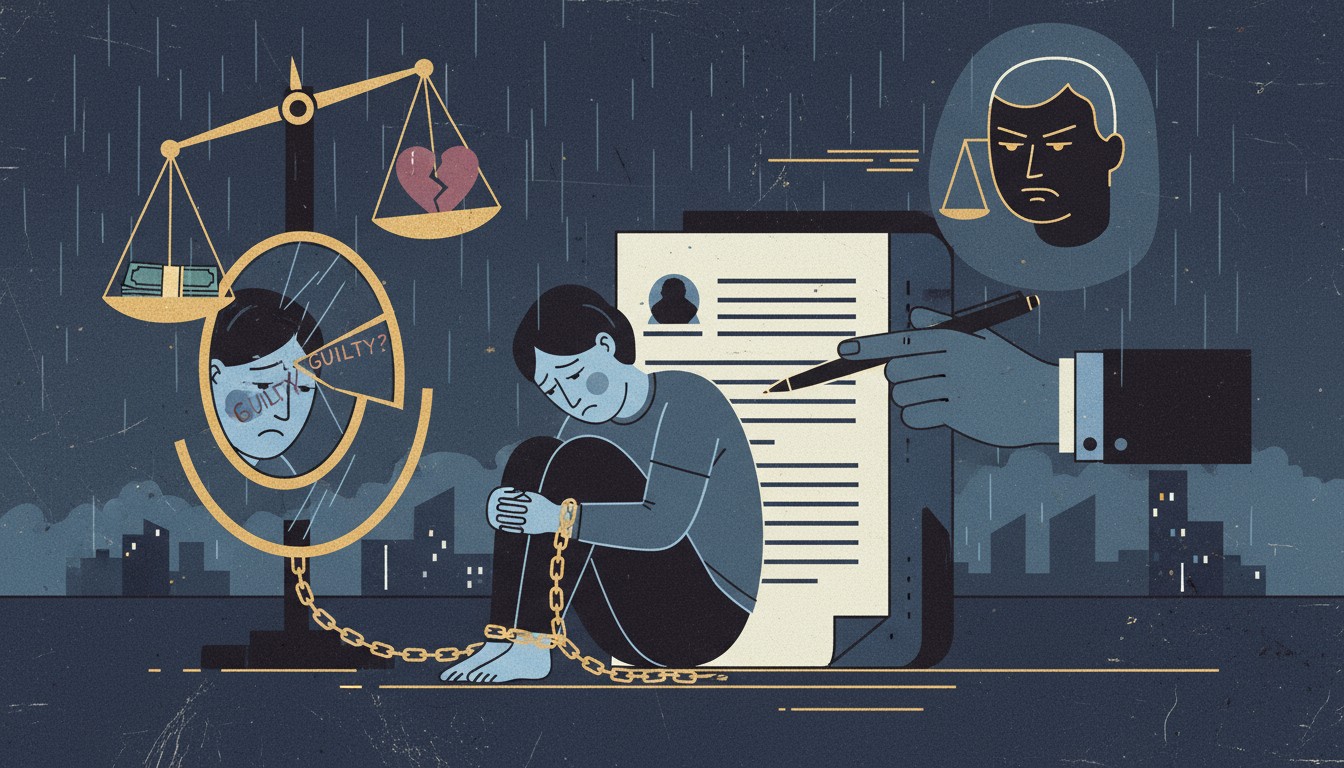
The emotional complexity of hiring an attorney after suffering harm represents one of the most overlooked psychological burdens facing injury victims today. Research consistently demonstrates that individuals who pursue legitimate legal claims experience significant guilt, shame, and self-doubt throughout the legal process, with many victims reporting that the emotional distress of litigation rivals or exceeds the trauma of the original injury itself. These feelings emerge from multiple sources including internalized cultural messages about litigation being morally questionable, self-blame mechanisms where victims unconsciously accept responsibility for accidents clearly caused by others’ negligence, fear of social judgment from friends and family who might view legal action as excessive or money-motivated, and the profound psychological discomfort of advocating for oneself in systems designed to feel adversarial and intimidating to non-lawyers navigating unfamiliar territory without professional guidance.
The phenomenon extends beyond simple nervousness about legal proceedings—victims frequently internalize shame suggesting they somehow deserve their suffering or should bear financial burdens silently rather than pursuing compensation from parties whose negligence caused demonstrable harm. This psychological response serves powerful institutional interests by discouraging legitimate claims, reducing accountability for negligent parties, and maintaining systems where victims absorb costs of injuries caused by others’ carelessness or misconduct. Mental health professionals increasingly recognize victim guilt as distinct psychological challenge requiring therapeutic intervention alongside legal representation, acknowledging that successful case outcomes provide little satisfaction when clients remain psychologically burdened by shame about seeking justice in the first place.
This comprehensive analysis explores the psychological roots of victim guilt when hiring attorneys, examines how cultural narratives about litigation create shame responses disconnected from ethical reality, investigates the relationship between self-blame and legal action reluctance, addresses gender and cultural factors amplifying guilt feelings, provides evidence-based strategies for managing shame throughout the legal process, and offers perspective helping victims recognize that pursuing legitimate compensation represents rational self-advocacy rather than moral failing. The discussion synthesizes research from organizations including the American Psychological Association’s trauma research, victim psychology studies examining litigation stress, cultural analysis of tort reform messaging’s psychological impact, and practical experiences from personal injury attorneys witnessing clients’ emotional struggles. Most critically, this article acknowledges that victim guilt serves no legitimate purpose—it neither improves legal outcomes nor promotes psychological healing, instead functioning primarily to disadvantage already-harmed individuals by adding emotional burden to financial and physical suffering caused by others’ negligence or wrongdoing.
The Psychology Behind Victim Self-Blame: When Innocence Feels Like Guilt
Psychological research reveals that victims frequently blame themselves for accidents and injuries despite clear evidence that other parties bear full responsibility through negligence, recklessness, or intentional misconduct. This self-blame mechanism serves protective psychological functions—by accepting responsibility for preventable harm, victims maintain illusion of control over their environment and futures, avoiding the terrifying reality that random accidents caused by others’ carelessness can destroy health, finances, and quality of life without warning or prevention. Self-blame paradoxically provides comfort by suggesting that different choices could have prevented harm, implying that future vigilance can prevent similar events, whereas acknowledging that someone else’s negligence caused unavoidable harm requires accepting vulnerability and powerlessness that many psyches find intolerable.
This psychological tendency becomes particularly problematic when victims begin legal processes because self-blame creates cognitive dissonance with claiming compensation from others—if victims believe they share responsibility for accidents, seeking full compensation from negligent parties feels dishonest or excessive even when legal and factual reality clearly establish the other party’s sole fault. Attorneys frequently encounter clients who minimize their injuries, excuse defendants’ behavior, or express reluctance to pursue full compensation despite devastating losses, reflecting internalized self-blame that persists despite lawyers explaining that the law assigns responsibility based on objective negligence standards rather than victims’ subjective guilt feelings. According to research from Psychology Today’s victim psychology experts, this tendency affects injury victims across all demographics, though severity varies based on personality factors, cultural background, and trauma history influencing shame responses.
The “just world hypothesis” further complicates victim psychology by promoting belief that people generally get what they deserve—good things happen to good people while bad outcomes reflect character flaws, poor decisions, or moral failings. This cognitive bias helps individuals feel secure in believing their own good behavior protects them from misfortune, but creates devastating psychological consequences for victims who internalize messages that their suffering must reflect personal failings rather than others’ negligence. When accident victims unconsciously accept just world thinking, hiring attorneys to pursue compensation feels morally problematic because doing so requires acknowledging that the world operates unjustly, that innocent people suffer through no fault of their own, and that seeking compensation represents appropriate response to genuine harm rather than attempt to profit from personal shortcomings. Breaking through these psychological barriers often requires therapeutic intervention alongside legal representation, helping victims recognize that seeking justice serves psychological healing by validating the reality of undeserved harm rather than reinforcing shame narratives suggesting they somehow caused or deserved their suffering.
Cultural Messages That Transform Justice-Seeking Into Shame
American culture particularly promotes deeply conflicting messages about personal injury litigation—while celebrating individual rights and personal responsibility rhetorically, society simultaneously stigmatizes people who exercise legal rights to pursue compensation for injuries caused by negligence. Decades of tort reform advocacy funded by insurance companies and corporate interests have successfully shaped public perception that legitimate injury claims represent frivolous litigation by greedy individuals seeking undeserved windfalls rather than reasonable efforts to recover compensation for genuine losses caused by others’ carelessness. These cultural narratives penetrate deeply into victims’ psyches, creating shame about pursuing legal action even when cases involve severe injuries, clear negligence, substantial financial losses, and complete absence of victim fault—essentially programming victims to feel guilty about holding negligent parties accountable for harm those parties unquestionably caused through carelessness or misconduct.
Media representations consistently reinforce these negative attitudes by highlighting rare frivolous lawsuits while ignoring thousands of legitimate cases where severely injured victims struggle to obtain fair compensation from insurance companies defending negligent parties. Popular culture portrays personal injury attorneys as ambulance chasers and clients as money-hungry opportunists, creating social stigma around legal representation that discourages victims from seeking help even when facing financial devastation from medical bills, lost wages, and ongoing treatment costs resulting from injuries they never caused. Television shows, movies, and news coverage rarely examine the reality that most personal injury claims involve genuinely harmed individuals pursuing reasonable compensation for documented losses, instead focusing on aberrant cases that confirm preexisting biases about litigation excess and undermine public support for civil justice systems protecting injury victims’ rights.
These cultural messages particularly affect certain demographics—research suggests that women, elderly individuals, and people from working-class backgrounds experience heightened guilt about legal action due to socialization emphasizing conflict avoidance, deference to authority, and reluctance to advocate assertively for personal needs. Women particularly report feeling selfish or demanding when pursuing compensation despite having stronger legal cases than male counterparts who experience less guilt about similar claims. Cultural backgrounds also influence shame responses, with some communities viewing legal action as shameful family exposure or violation of norms prioritizing private resolution over public confrontation through formal legal systems. According to analysis by American Bar Association public education initiatives, combating these stigmas requires sustained public education about civil justice systems’ legitimate purposes, the reality that most personal injury claims involve genuine harm and reasonable compensation rather than frivolous litigation, and the societal importance of accountability mechanisms ensuring that negligent parties bear costs of injuries their carelessness causes rather than forcing innocent victims to absorb those losses.
Common Guilt-Inducing Thoughts Victims Experience
The Greed Narrative: Victims worry that seeking compensation makes them appear money-motivated or greedy despite facing genuine financial hardship from medical expenses, lost income, and ongoing treatment costs resulting from injuries they never caused through any fault
The Drama Accusation: Fear that others will perceive them as dramatic, exaggerating injuries, or seeking attention rather than recognizing legitimate suffering requiring appropriate medical treatment and compensation for documented losses
The Vengeful Villain: Concern that pursuing legal claims transforms them from innocent victims into aggressive adversaries attacking defendants who “didn’t mean to cause harm” despite clear evidence of negligence warranting accountability and compensation
The Self-Doubt Spiral: Questioning whether injuries are “serious enough” to justify legal action despite physicians documenting significant impairment, ongoing symptoms requiring continued treatment, and substantial impact on daily functioning and quality of life
Social Judgment: The Fear of What Others Will Think
Social anxiety about friends, family, and community members judging legal action represents powerful force discouraging victims from hiring attorneys despite strong cases and legitimate needs for compensation. Victims frequently report worrying that relatives will view them as opportunistic, that friends will question injury severity, that neighbors will gossip about lawsuits, and that professional colleagues will perceive them differently after learning about legal claims—fears that often prove partially justified as research confirms that Americans generally express negative attitudes toward personal injury litigation even when presented with case facts clearly establishing negligence and serious harm. This anticipated social judgment creates paralyzing effects where victims avoid necessary legal representation not because cases lack merit but because pursuing justice requires accepting social disapproval from people whose opinions matter deeply to victims already vulnerable from injuries and financial stress.
The judgment often manifests in subtle but hurtful ways—family members suggesting that victims “move on” rather than pursuing compensation, friends questioning whether lawsuits are “really necessary” despite knowing nothing about case specifics or financial losses, and acquaintances making comments about “lawsuit culture” or “ambulance chasers” without recognizing how these general criticisms wound victims already struggling with guilt about seeking legal help. Some victims report that relationships deteriorate after filing lawsuits, with people who initially expressed sympathy about injuries becoming distant or critical once legal action begins, reinforcing victims’ fears that seeking justice damages social connections and community standing. These experiences prove particularly painful because they compound trauma of original injuries with additional emotional harm from people victims expected to provide support during difficult recovery periods.
Defendants and insurance companies sometimes exploit these social dynamics by framing litigation as personal attacks on individual defendants rather than institutional accountability for negligence—portraying sympathetic defendants as victims of greedy plaintiffs rather than as negligent parties whose carelessness caused genuine harm requiring compensation. This strategy proves particularly effective in small communities where plaintiffs and defendants might share social circles, attend the same religious institutions, or have children in the same schools, creating social pressure discouraging victims from pursuing legitimate claims to avoid appearing vindictive toward community members. According to legal psychology experts at Nolo, victims benefit from pre-litigation counseling addressing these social concerns, helping clients develop coping strategies for managing judgment, setting boundaries with unsupportive acquaintances, and maintaining perspective that pursuing legitimate legal rights serves important purposes regardless of others’ opinions about litigation generally.
The Adversarial System: When Legal Process Amplifies Shame
Legal systems operate through adversarial processes that inherently feel confrontational to injury victims already uncomfortable with conflict and self-advocacy. Filing lawsuits requires formally accusing other parties of negligence, providing detailed accounts of suffering and limitations caused by injuries, quantifying pain and loss in monetary terms that feel reductive and mercenary, and enduring defense strategies designed to minimize injury severity, question victim credibility, and portray plaintiffs negatively to judges, juries, and opposing counsel. These processes fundamentally conflict with many victims’ self-concepts as non-confrontational, reasonable people who resolve conflicts cooperatively rather than through formal legal battles—creating cognitive dissonance where participating in necessary legal processes to obtain fair compensation feels inconsistent with personal identity and values even when victims rationally recognize that legal action represents appropriate response to genuine harm.
Defense tactics often deliberately exacerbate victim shame by invasively investigating plaintiffs’ backgrounds, questioning injury authenticity through surveillance and medical examinations, suggesting that victims exaggerate suffering for financial gain, and cross-examining plaintiffs about personal matters designed to portray them as unreliable, opportunistic, or partially responsible for their own injuries. These strategies serve legitimate adversarial purposes of testing plaintiff cases and protecting defendants’ interests, but they inflict psychological harm on victims who experience these tactics as personal attacks questioning their honesty, character, and worthiness of compensation. Many plaintiffs report that depositions, independent medical examinations, and trial testimony prove more traumatic than original injuries themselves, as defense counsel systematically challenge every aspect of their claims in ways that resurrect trauma, amplify self-doubt, and reinforce shame about seeking justice through formal legal channels.
The duration of legal processes also compounds emotional burdens—personal injury cases often take months or years to resolve, requiring victims to maintain focus on injuries and losses throughout extended periods when they prefer moving forward with recovery and rebuilding disrupted lives. This prolonged engagement with trauma proves psychologically exhausting and reinforces ambivalence about legal action, as victims question whether potential compensation justifies emotional costs of sustained litigation stress, uncertainty about outcomes, and constant reminders of injuries they would rather process therapeutically and then move beyond mentally. Attorneys increasingly recognize these psychological challenges and work to prepare clients emotionally for adversarial processes, explain that defense tactics reflect standard litigation procedures rather than personal attacks, and provide realistic timelines helping victims anticipate the emotional endurance required for pursuing compensation through civil justice systems designed around adversarial confrontation rather than victims’ psychological comfort or healing needs.
Gender Dynamics: Why Women Experience Heightened Guilt About Legal Claims
Research consistently demonstrates that women experience significantly higher rates of guilt and shame about pursuing personal injury claims compared to men with similar injuries and case strengths, reflecting gendered socialization around assertiveness, conflict, and self-advocacy that influences legal decision-making independent of case merits. Women receive cultural messages throughout development emphasizing accommodation, relationship preservation, conflict avoidance, and putting others’ needs before their own—creating psychological frameworks where assertively demanding compensation for harm feels aggressive, selfish, and inconsistent with feminine identity even when legal claims are entirely justified by negligence and documented injuries. These gender dynamics manifest in measurable ways, with research showing that women settle personal injury cases for lower amounts than men with comparable injuries, take longer to hire attorneys after accidents, and express more ambivalence throughout litigation despite having equivalent or stronger cases based on objective legal standards.
The phenomenon reflects broader patterns where women systematically undervalue their own suffering, minimize injury severity, and prioritize defendants’ wellbeing over their own legitimate needs for compensation—essentially extending cultural expectations that women serve as caregivers and peacemakers into legal contexts where those traits disadvantage them relative to male plaintiffs more comfortable with adversarial self-advocacy. Women more frequently express concerns about seeming “difficult,” worry about defendants’ financial consequences, question whether their injuries merit compensation, and accept insurance companies’ initial settlement offers without negotiation despite attorneys advising that offers fall far below fair compensation for documented losses. These patterns prove particularly problematic because they allow negligent parties and their insurers to exploit gendered socialization, effectively profiting from women’s discomfort with assertive self-advocacy by offering inadequate settlements that women accept to avoid the psychological discomfort of continued litigation.
Attorneys working with female clients increasingly recognize the need for explicit conversations addressing gendered guilt patterns, normalizing assertive self-advocacy, and reframing compensation-seeking as rational response to genuine harm rather than aggressive or unfeminine behavior. Some practitioners report success helping female clients by emphasizing how adequate compensation enables them to fulfill caregiving responsibilities to children and family members who depend on their health and financial stability—essentially connecting self-advocacy to other-oriented values that feel more comfortable than purely self-interested demands for fair treatment. According to analysis from American Association for Justice trial advocacy experts, addressing gender dynamics in plaintiff psychology represents critical component of effective representation, requiring attorneys to combine legal expertise with psychological awareness about how socialization patterns affect clients’ comfort with necessary aspects of pursuing legitimate personal injury claims through adversarial legal systems.
The Financial Guilt Trap: Feeling Greedy While Facing Bankruptcy
Perhaps the most paradoxical aspect of victim guilt involves feeling mercenary about seeking compensation while simultaneously facing financial devastation from medical bills, lost income, and ongoing treatment costs resulting from injuries victims never caused. Plaintiffs frequently report profound discomfort discussing monetary compensation for pain, suffering, and disability—emotional experiences that feel sacred and non-commercial, resistant to reduction into dollar amounts that necessarily simplify and commodify complex human suffering into financial terms allowing legal systems to provide remedies. This discomfort persists even when victims face bankruptcy from medical debt, mortgage default from lost wages, and inability to afford necessary ongoing treatment—situations where compensation clearly serves essential practical purposes rather than representing greedy windfalls yet still triggers shame about “profiting from suffering” despite the obvious reality that compensation merely attempts to make victims financially whole after negligent parties destroyed their health and economic security.
Insurance companies exploit this guilt by framing reasonable compensation demands as excessive money grabs by opportunistic plaintiffs, strategic messaging designed to trigger victims’ existing discomfort about monetary aspects of legal claims regardless of how well-documented losses justify compensation amounts. Defense counsel routinely suggest that plaintiffs exaggerate injuries to obtain larger settlements, that requesting pain and suffering damages represents moral failing, and that accepting insurance companies’ lowball offers demonstrates good character while demanding fair compensation reveals greed—all tactics leveraging victims’ existing shame about monetary aspects of litigation to pressure inadequate settlements that allow defendants and insurers to avoid paying full costs of injuries their negligence caused. These strategies prove remarkably effective because they activate deeply held cultural values prioritizing stoicism, self-sufficiency, and modest expectations over assertive demands for fair treatment, essentially weaponizing victims’ best character traits against their legitimate financial interests.
Reframing financial aspects of personal injury claims as practical necessity rather than greedy opportunism requires recognizing that compensation serves multiple legitimate purposes beyond raw financial calculation—it holds negligent parties accountable for harm caused, provides resources for ongoing medical treatment and rehabilitation, replaces lost earning capacity enabling victims and families to maintain financial stability, and acknowledges suffering through society’s primary mechanism for validating harm and attempting remediation when physical and psychological injuries cannot be reversed. Monetary compensation represents legal system’s imperfect but necessary tool for addressing civil wrongs, not evidence that victims care only about money rather than justice, healing, or accountability. Attorneys benefit from explicitly discussing these concepts with clients, normalizing discomfort about financial aspects while helping plaintiffs recognize that pursuing fair compensation serves legitimate needs rather than reflecting character flaws or moral failings that guilt feelings suggest to victims already psychologically vulnerable from injuries and litigation stress.
Strategies for Managing Litigation-Related Guilt and Shame
Cognitive Reframing: Consciously replacing shame narratives with accurate perspectives recognizing that seeking legitimate compensation for genuine harm represents rational self-advocacy rather than moral failing, greed, or excessive litigiousness
Therapeutic Support: Working with mental health professionals trained in trauma and litigation stress to process complex emotions, develop healthy coping strategies, and maintain psychological wellbeing throughout extended legal processes
Selective Disclosure: Carefully choosing whom to tell about legal action, limiting discussions to supportive individuals who understand case realities while protecting oneself from judgment by those likely to respond unsupportively
Educational Understanding: Learning about civil justice system purposes, statistics showing that most personal injury claims involve legitimate harm, and how accountability mechanisms benefit society by incentivizing safety and appropriate care
Breaking Free: Recognizing That Guilt Serves No One’s Interests But the Negligent
Critical analysis reveals that victim guilt about pursuing legal claims serves no legitimate societal purposes—it doesn’t improve legal outcomes, promote healing, strengthen relationships, or advance any defensible moral or ethical principles. Instead, guilt primarily benefits negligent parties and insurance companies by discouraging legitimate claims, pressuring inadequate settlements, and maintaining systems where victims bear financial and psychological costs of injuries caused entirely by others’ carelessness or misconduct. Recognizing this reality helps victims understand that their guilt feelings, however genuine and painful, reflect successful social conditioning rather than accurate moral intuitions about their own behavior—essentially revealing that victims have internalized messages designed to serve others’ interests at their own expense, protecting wrongdoers from accountability while leaving injured parties without resources to manage consequences of harm they never caused.
Overcoming victim guilt requires actively rejecting cultural narratives that stigmatize legitimate legal action while celebrating other forms of self-advocacy—recognizing that society generally applauds people who assert themselves professionally, negotiate salaries, advocate for family members, or demand proper treatment in consumer contexts, revealing inconsistency where self-advocacy becomes shameful only when directed toward obtaining compensation for serious injuries caused by negligence. This double standard suggests that guilt about injury claims reflects special interests’ successful messaging rather than coherent moral framework, as nothing inherently distinguishes assertively pursuing fair compensation for documented losses from other widely accepted forms of standing up for legitimate interests in systems structured around negotiation and advocacy. Victims benefit from consciously examining where their shame originates, questioning whether feelings reflect authentic values or absorbed cultural messages, and recognizing that pursuing legitimate compensation aligns perfectly with reasonable self-interest and appropriate boundaries rather than indicating moral failings guilt feelings suggest.
Mental health professionals increasingly recommend that attorneys work collaboratively with therapists when clients exhibit significant litigation-related guilt, recognizing that successful case outcomes provide limited satisfaction when clients remain psychologically burdened by shame about having pursued justice in the first place. Therapeutic intervention helps victims process trauma from original injuries separately from guilt about legal responses to that trauma, develop healthier narratives about self-advocacy and boundaries, challenge cognitive distortions suggesting they caused or deserved suffering, and build psychological resilience for managing adversarial litigation processes designed around confrontation rather than victims’ emotional comfort. According to research published by National Institutes of Health psychological trauma researchers, integrated legal and therapeutic support produces better outcomes than legal representation alone for plaintiffs experiencing significant shame about litigation, helping victims obtain both fair compensation and psychological healing rather than case resolutions that feel financially successful but emotionally unsatisfying due to unresolved guilt about having pursued claims despite internalized messages suggesting legal action represented moral failing.
Reframing Legal Action: From Guilt to Empowered Self-Advocacy
Psychological healing from victim guilt requires fundamental reframing of legal action from shameful necessity into empowered choice reflecting healthy boundaries, appropriate self-advocacy, and legitimate demands for accountability from parties whose negligence caused demonstrable harm. This shift begins with recognizing that civil justice systems exist precisely to provide remedies when negligence causes injury—meaning that using these systems as intended represents appropriate, rational behavior rather than excessive litigiousness or moral failing. Victims benefit from understanding that pursuing compensation doesn’t diminish genuine suffering or transform them into opportunistic plaintiffs, but rather acknowledges both the reality of harm and the legitimacy of seeking resources to manage consequences that responsible parties created through carelessness. Reframing also involves recognizing that accountability serves important social functions beyond individual compensation—when negligent parties pay damages, systems create incentives for safer behavior, send messages that carelessness carries consequences, and validate victims’ experiences rather than leaving them to bear all costs of others’ wrongdoing silently.
Empowerment also emerges from recognizing that hiring attorneys doesn’t mean victims are aggressive, vindictive, or unable to handle problems independently—rather, it demonstrates wisdom about when professional expertise serves necessary purposes and mature recognition that complex legal systems require specialized knowledge for navigating effectively. Just as people routinely hire accountants for tax matters, mechanics for car repairs, and physicians for medical treatment without experiencing shame about needing expert assistance, victims should view attorneys as specialized professionals whose expertise helps them obtain fair outcomes in complicated legal contexts where attempting self-representation would disadvantage them substantially. Framing legal representation as prudent resource utilization rather than weakness or excessive litigiousness helps victims maintain self-respect throughout legal processes while benefiting from professional advocacy that substantially improves case outcomes compared to unrepresented plaintiffs attempting navigation of complex procedural rules, negotiation strategies, and evidence presentation requirements.
The guilt victims experience when hiring attorneys represents learned psychological response serving no legitimate purposes while substantially harming already-injured individuals by compounding physical and financial suffering with emotional burden disconnected from any rational assessment of their behavior or moral character. Research consistently demonstrates that most personal injury plaintiffs pursue legitimate claims for genuine injuries caused by clear negligence, that compensation-seeking reflects rational self-interest rather than greed or opportunism, and that victim guilt primarily benefits negligent parties and insurance companies by discouraging claims and pressuring inadequate settlements. Cultural narratives stigmatizing litigation reflect decades of tort reform messaging designed to protect institutional interests rather than objective analysis of civil justice systems’ purposes and outcomes, creating shame responses contradicting both legal principles establishing victims’ rights to compensation and psychological research showing that pursuing legitimate claims supports healing by validating suffering and providing resources for managing injury consequences. Victims facing legal decisions benefit from recognizing that guilt feelings, however genuine, reflect social conditioning rather than accurate moral assessment—that pursuing compensation for demonstrable harm caused by others’ negligence represents appropriate self-advocacy deserving support rather than stigma, and that civil justice systems exist precisely to provide these remedies when private parties cannot resolve disputes satisfactorily. Overcoming victim guilt requires conscious cognitive reframing supported by mental health intervention when shame persists despite rational recognition that legal action serves legitimate purposes, helping victims separate original trauma from guilt about appropriate responses to that trauma while building psychological resilience for managing adversarial processes designed around confrontation rather than victims’ emotional comfort. Most critically, victims should understand that hiring attorneys and pursuing fair compensation reflects strength, healthy boundaries, and mature recognition of when professional expertise serves necessary purposes rather than indicating character flaws, excessive litigiousness, or moral failings that shame narratives suggest—transforming guilt into empowered self-advocacy serving victims’ genuine interests rather than allowing internalized messages to pressure silence that benefits only those whose negligence caused harm requiring accountability and compensation through legal systems designed specifically for these essential purposes.