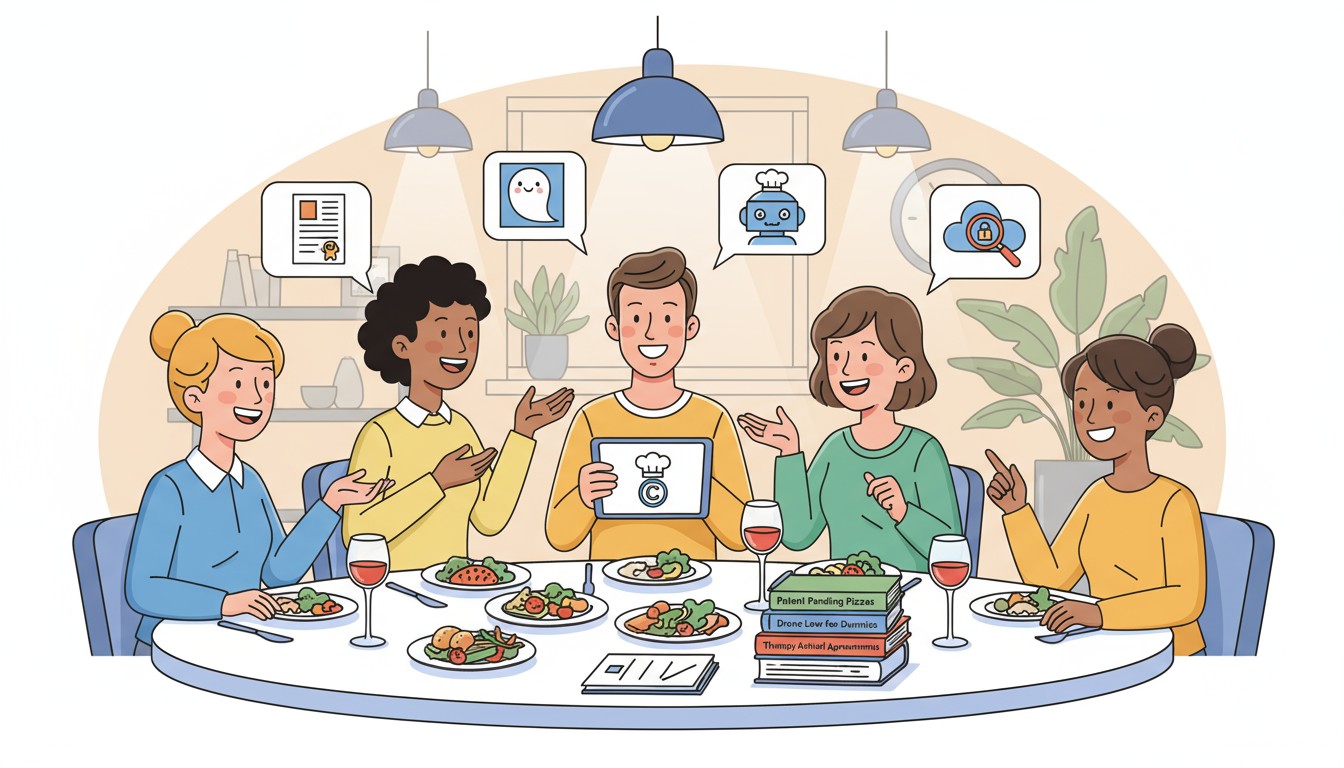
Let me help you see why this silence about certain legal issues proves costly both individually and collectively, because the taboos preventing dinner party discussion of estate planning, prenuptial agreements, mental health commitments, elder abuse, medical malpractice, workplace harassment, and caregiving legal traps don’t just create awkward social moments but actually leave people less informed and less prepared to handle situations they will inevitably face, while simultaneously protecting systems and institutions from the scrutiny and reform pressure that open discussion would generate. Think about how social taboos operate more broadly. Certain topics get designated as inappropriate for polite conversation not necessarily because they’re objectively more disturbing or less relevant than acceptable topics, but rather because discussing them openly would require acknowledging uncomfortable truths about how society functions, about inequalities and injustices in various systems, or about universal human vulnerabilities that people prefer to imagine they’re immune from rather than confronting directly through conversation acknowledging these realities affect everyone eventually regardless of how successfully people avoid thinking about them during periods when they’re not immediately facing these issues personally.
The legal issues that remain taboo at dinner parties tend to share several characteristics worth recognizing explicitly. First, they involve money in ways that violate norms about not discussing personal finances openly. Second, they acknowledge mortality, disability, or other vulnerabilities that dinner conversation is supposed to avoid by maintaining optimistic tones about life’s possibilities rather than dwelling on its limitations and eventual endings. Third, they reveal family dysfunction or relationship problems that contradict the idealized family narratives people present socially. Fourth, they expose institutional failures in medical systems, legal systems, or workplace structures that people prefer to believe function more justly and effectively than open discussion of personal experiences would reveal. Fifth, they require discussing sexuality, bodily autonomy, or other intimate matters that remain uncomfortable in mixed social company despite their legal dimensions being universally relevant. Research from The Conversation Project on difficult discussions reveals that while ninety percent of Americans believe having conversations about end-of-life wishes is important, only twenty-seven percent have actually had these conversations, illustrating the enormous gap between recognizing that certain discussions matter and actually having them because cultural taboos create barriers that people struggle to overcome despite intellectual acknowledgment that these conversations would benefit everyone involved.
Estate Planning: The Death Conversation Nobody Wants
Let me start with perhaps the most universal taboo legal topic that affects literally everyone eventually yet that remains remarkably difficult to discuss in social settings: estate planning, wills, powers of attorney, and the entire category of legal preparation for death and incapacity that requires acknowledging your own mortality and making concrete plans for what happens after you die or if you become unable to make decisions for yourself. Think about why this topic feels so uncomfortable at dinner parties. Discussing estate planning requires explicitly acknowledging that you will die, which violates social norms preferring to maintain optimistic tones about the future rather than dwelling on mortality that everyone knows intellectually is inevitable but that dinner conversation etiquette requires treating as distant abstraction rather than concrete reality requiring planning. Additionally, estate planning involves discussing money and asset distribution in ways that reveal wealth levels, family dynamics, and value judgments about which relationships deserve recognition through inheritance that people prefer to keep private rather than exposing to social scrutiny.
Yet this taboo creates substantial practical harm because people who haven’t discussed estate planning with friends or family remain less informed about how to approach these decisions, what options exist, what mistakes to avoid, and how to have conversations with family members about inheritance expectations that can prevent devastating conflicts after deaths occur. Consider what open discussion about estate planning would provide. You would learn from friends’ experiences about what happens when parents die without wills, leaving children fighting over estates or leaving surviving spouses in precarious situations. You would hear about the complications that blended families face when biological children and stepchildren have competing inheritance expectations. You would learn about powers of attorney and healthcare directives that prevent families from being unable to make medical decisions for incapacitated relatives because no legal authority was established in advance. You would discover that many people face similar dilemmas about whether to leave equal inheritances to children whose financial circumstances differ dramatically, or about how to handle estranged family members, or about balancing desires to leave legacies to causes you care about with obligations to provide for family.
The silence around estate planning means that many people learn about these complications only through personal crisis rather than through advance preparation informed by others’ experiences. Breaking this taboo doesn’t require sharing every detail of your estate plan at dinner parties, but rather involves normalizing conversations acknowledging that estate planning is something thoughtful adults engage with, that it involves difficult decisions without obvious right answers, and that discussing approaches and challenges openly would help everyone make better decisions while reducing the isolation people feel when grappling with these issues privately while maintaining social facades suggesting they’re not thinking about mortality or inheritance at all.
Prenuptial Agreements: When Love Meets Contract Law
Now let me address another profound taboo around discussing prenuptial agreements openly, because suggesting that couples should consider prenups before marriage feels like admitting that you don’t trust your partner, don’t believe in the permanence of marriage, or are planning for divorce before the marriage even begins, making prenup discussions socially uncomfortable despite their practical wisdom for protecting both parties in relationships where asset disparities, prior marriages with children, or business ownership create legitimate reasons for contractual clarity about financial arrangements. Think about the romantic narrative that marriage is supposed to represent: two people committing to each other completely based on love and trust without calculation or self-protection, merging their lives and finances entirely without reservation, and maintaining faith that love will conquer any future challenges making legal protections unnecessary. This romantic ideal makes prenuptial agreements feel like betrayals of proper marital commitment, as though the act of discussing potential divorce scenarios somehow jinxes the marriage or reveals that you’re not fully committed to making it work.
Yet this taboo leaves people unprepared for the reality that roughly half of marriages end in divorce, and that divorce without prenuptial agreements often involves devastating conflicts over asset division, spousal support, and other financial matters that consume years and tens of thousands of dollars in legal fees while destroying whatever goodwill might have remained between former partners. Consider what open discussion about prenuptial agreements would provide. You would learn from friends who went through divorces about how much cleaner and less contentious their separations could have been with prenups establishing clear expectations from the start. You would hear from people in second marriages about how prenups protected their children from prior marriages while also protecting new spouses appropriately. You would discover that prenup discussions actually strengthen some relationships by forcing couples to discuss financial values, expectations, and concerns openly before marriage rather than avoiding these conversations until conflicts emerge later. You would learn practical details about what prenups can and cannot do legally, what makes them enforceable, and how to approach these conversations with partners without making them feel like expressions of distrust rather than responsible planning.
The silence around prenuptial agreements means that most people considering marriage never hear balanced perspectives about their value, instead relying on romantic narratives suggesting prenups are cynical and pessimistic rather than pragmatic and protective. Breaking this taboo would help normalize the idea that discussing prenups doesn’t mean you expect your marriage to fail any more than buying life insurance means you expect to die soon—both represent responsible planning for possibilities that everyone hopes won’t occur but that reasonable adults prepare for anyway.
Mental Health Commitments and Capacity Determinations
Let me teach you about an especially profound taboo around discussing involuntary psychiatric commitments, guardianship proceedings, and other legal mechanisms that can strip adults of their autonomy based on determinations that they lack capacity to make decisions for themselves, because these topics require acknowledging that mental illness, cognitive decline, or other conditions can render people legally incompetent in ways that feel terrifying and stigmatizing to discuss openly. Think about the legal power that involuntary commitment represents: the ability to confine someone in a psychiatric facility against their will, to force psychiatric treatment including medication, and to restrict their freedom based on determinations that they pose dangers to themselves or others or that they cannot care for themselves adequately. Similarly, guardianship proceedings can transfer legal decision-making authority from adults to appointed guardians who then control major life decisions including where the person lives, what medical treatment they receive, and how their finances are managed.
These legal mechanisms serve important protective functions when people genuinely cannot make safe decisions due to severe mental illness or dementia, but they also create profound vulnerabilities to abuse when family members or others petition for commitments or guardianships motivated by inheritance concerns, desire to control someone’s finances, or other interests not genuinely aligned with the incapacitated person’s wellbeing. The taboo around discussing these issues openly means that most people learn about involuntary commitment and guardianship only if they directly experience it through family crisis, remaining unaware of how these systems operate, what rights people retain even when committed or under guardianship, what safeguards exist against abuse, and what warning signs indicate that capacity determinations might be improperly motivated. Research from the National Alliance on Mental Illness on crisis intervention documents widespread misunderstanding about involuntary commitment processes and about the balance between protecting vulnerable individuals and respecting their autonomy, with many people shocked to learn how easily family members can initiate commitment proceedings or how difficult it can be to regain autonomy once guardianship has been established.
Breaking this taboo would help people understand that mental health crises can happen to anyone, that knowing about legal processes in advance helps families navigate these situations more effectively when they arise, and that open discussion about capacity determinations would create more accountability for systems that currently operate with limited public scrutiny despite holding enormous power over vulnerable individuals whose autonomy gets restricted through legal mechanisms that most people never discuss unless directly affected by them personally.
Elder Abuse By Family Members
Now let me address perhaps the most painful taboo on this list: discussing elder abuse perpetrated not by strangers or institutional staff but by family members who exploit, neglect, or harm elderly relatives financially, physically, or emotionally, because acknowledging that family members can be abusers violates deeply held beliefs about families protecting their own and about the sacred obligations that children supposedly owe aging parents regardless of circumstances. Think about cultural narratives surrounding elder care. We’re supposed to believe that adult children naturally want to care for aging parents out of love and gratitude, that families handle elder care challenges internally with patience and compassion, and that elder abuse primarily occurs in nursing homes staffed by strangers rather than in family contexts where trusted relatives take advantage of vulnerable elderly people who depend on them for care and support. These comforting narratives make it extremely difficult to discuss the reality that family members commit substantial portions of elder abuse, whether through financial exploitation of elderly relatives’ assets, through neglect when caregiving burdens overwhelm family members who don’t seek adequate help, or through outright physical or emotional abuse driven by resentment, substance abuse, or other factors that make caregiving relationships toxic.
The taboo around acknowledging family perpetration of elder abuse means that many victims suffer in silence because they fear that reporting abuse would betray family loyalty, that they won’t be believed if they accuse their own children or spouses of exploitation, or that reporting might result in outcomes worse than the abuse itself if they’re removed from their homes or if family relationships are destroyed through legal proceedings. Consider what open discussion about family perpetration of elder abuse would provide. You would learn warning signs that someone is being financially exploited by relatives who have gained control over their finances. You would hear about the psychological dynamics that make it difficult for victims to acknowledge abuse by family members they love and depend on. You would discover resources for reporting suspected abuse and for protecting elderly people without necessarily destroying family relationships entirely. You would learn about legal mechanisms like protective orders, guardianship proceedings, or criminal prosecution that can address elder abuse while providing some protection for vulnerable elderly people who cannot protect themselves when abusers are family members with access and opportunity that strangers lack.
Breaking this taboo would help communities recognize that elder abuse by family members represents a serious problem requiring acknowledgment and response rather than silence that protects abusers while leaving victims isolated and unprotected. The discomfort of discussing family perpetration of abuse matters less than the protection that awareness and open discussion could provide to vulnerable elderly people who need outsiders to recognize warning signs and intervene when families fail in their obligations to provide safe, respectful care for aging relatives.
Medical Malpractice: When Doctors Harm You
Let me teach you about the taboo surrounding open discussion of medical malpractice experiences, because admitting that you’re suing your doctor or that you believe medical error caused serious harm feels socially uncomfortable due to the enormous trust we place in medical professionals and the cultural reverence for doctors that makes criticizing them or acknowledging their failures feel like ingratitude or like conspiracy-minded mistrust of legitimate medical expertise. Think about how we’re socialized to view doctors as heroic figures who work tirelessly to help patients, who possess specialized knowledge that laypeople cannot question appropriately, and who generally act in patients’ best interests even when outcomes disappoint. This cultural deference to medical authority makes it extremely difficult to acknowledge openly when doctors make serious mistakes, when they act negligently in ways causing preventable harm, or when medical systems fail patients through communication breakdowns, inadequate supervision, or other systemic problems that result in injuries that proper care would have avoided.
The taboo around discussing medical malpractice means that many people who suffer medical injuries never learn that their experiences resulted from preventable errors rather than from inevitable complications, because without hearing others’ malpractice stories, they don’t have frameworks for recognizing when their outcomes reflect negligence rather than just bad luck. Additionally, the silence around malpractice protects underperforming doctors and dysfunctional medical systems from accountability that open discussion would generate, because hospitals and medical boards can minimize problems that individual patients experience privately but that would reveal patterns if discussed openly in ways demonstrating that certain providers or institutions repeatedly harm patients through negligent care. Consider what open malpractice discussion would provide. You would learn what actually constitutes malpractice legally versus what represents merely disappointing outcomes from appropriate care. You would hear about how medical malpractice cases work, what challenges plaintiffs face, what kinds of evidence are needed, and what settlements or verdicts typically look like for various injury types. You would discover that many people have experienced medical errors without realizing it because doctors and hospitals often avoid admitting mistakes openly, leaving patients to assume their bad outcomes were unavoidable rather than resulting from negligent care deserving compensation.
Breaking this taboo would create pressure for medical system improvements by making errors and their consequences more visible socially rather than remaining individual private experiences that never get aggregated into broader awareness about patient safety problems. The discomfort doctors and hospitals might feel about open malpractice discussion matters less than the patient protection that transparency would provide by making people more aware of their rights, more willing to question care that seems wrong, and more prepared to seek legal recourse when preventable errors cause serious harm deserving compensation that medical providers often resist providing without litigation forcing accountability.
Workplace Sexual Harassment: Personal Experiences
Now let me address the taboo around discussing personal experiences with workplace sexual harassment at social gatherings, because while #MeToo created some space for public discussion of harassment in abstract terms or in relation to high-profile cases, individual discussion of your own harassment experiences at dinner parties remains uncomfortable due to the sexuality and workplace power dynamics involved, the fear that discussing harassment will make you seem like a victim or a troublemaker, and the reality that many dinner party guests might include people who work in your industry or who know people at your company making disclosure feel risky for professional reasons beyond social discomfort. Think about what happens when harassment discussions occur at dinner parties. People often discuss Harvey Weinstein or other famous cases in ways that maintain comfortable distance from personal experience, allowing everyone to agree that harassment is bad without anyone having to disclose their own victimization or their observations of harassment in their workplaces that they haven’t reported or that they reported with unsatisfying outcomes.
This comfortable distance between abstract harassment discussion and personal disclosure means that people remain less informed about how harassment actually operates in various workplaces, what reporting mechanisms exist and whether they function effectively, what retaliation looks like, how HR departments handle complaints, what legal options victims have, and what outcomes various response strategies typically produce. Consider what open personal disclosure about harassment experiences would provide. You would learn how common harassment remains despite policy changes, helping you recognize that your own experiences aren’t isolated incidents but rather reflect systemic problems. You would hear about what happened when friends reported harassment to HR, whether their companies responded appropriately or whether they faced retaliation making their situations worse. You would discover what legal protections exist for harassment victims, what evidence is needed to prove claims, what remedies are available through litigation or settlements, and what practical considerations affect decisions about whether to report, tolerate, or leave jobs where harassment occurs.
Breaking this taboo would create accountability for workplaces by making harassment experiences more visible socially rather than remaining private situations that companies can minimize or ignore because victims remain isolated and silent. The professional risks of discussing harassment openly matter less than the systemic changes that visibility would create by making companies recognize that harassment remains widespread and that failing to address it effectively creates reputational costs beyond whatever legal liability individual cases might generate when victims pursue formal complaints or litigation.
Caregiving Legal Traps
Let me conclude by teaching you about the profound taboo around discussing the legal complications that arise when family members become caregivers for elderly parents or disabled relatives, because cultural narratives about family obligation make it feel selfish or ungrateful to acknowledge the legal and financial risks that caregiving creates for caregivers themselves, including employment discrimination, Medicaid transfer penalties, liability for care decisions, and family conflicts over caregiving responsibilities that remain undiscussed until crises force confrontation. Think about caregiving narratives emphasizing noble sacrifice and family duty without acknowledging that caregiving often involves years of unpaid labor that depletes caregivers’ own retirement savings, forces them to reduce work hours or leave jobs entirely, damages their own health through stress and physical demands, and creates family conflicts when siblings don’t contribute equally to caregiving despite expecting equal inheritance when parents die. These sanitized caregiving narratives make it difficult to discuss openly the legal problems caregivers face without seeming to complain about obligations you’re supposed to fulfill willingly out of love rather than requiring legal protection or compensation.
Yet this taboo leaves many caregivers vulnerable to exploitation by family members who allow them to shoulder caregiving burdens while planning to claim equal inheritances despite contributing nothing to their parents’ care, or to Medicaid complications that arise when caregivers have power of attorney and make financial transfers that later get scrutinized as improper attempts to preserve assets rather than legitimate caregiving compensation. Breaking this taboo would help future caregivers understand that they should establish caregiver agreements documenting their compensation, that they should insist on family meetings establishing clear expectations about caregiving division rather than accepting default assumptions that whoever lives closest or whoever is female will provide all care, and that they should protect themselves legally through mechanisms that might feel mercenary but that prevent the financial and legal disasters that many informal caregivers experience when caregiving ends and they discover they’ve sacrificed years and substantial money without legal protection or family acknowledgment of their contributions. The statistics revealing that sixty-two percent of adults have experienced situations involving these taboo legal topics but never discuss them socially, that eighty-four percent learn important legal information from casual conversations rather than formal sources, and that seventy-three percent wish someone had warned them about legal complications they encountered reveals both how common these situations are and how much value open discussion would provide by sharing experiences, practical knowledge, and warnings that would help people avoid problems or navigate them more effectively when they arise despite the social discomfort that breaking taboos creates through requiring honesty about difficulties that polite conversation typically avoids in favor of maintaining comfortable facades suggesting everyone’s life proceeds smoothly without the legal complications that actually affect most people eventually through the normal processes of aging, family relationships, workplace participation, medical system interaction, and the countless ways that modern life involves legal dimensions that remain undiscussed because cultural norms have designated these topics as inappropriate for social conversation despite their universal relevance to adults navigating complex systems that operate according to legal rules that most people don’t understand because taboos prevent the open discussion through which informal legal education would otherwise occur within communities that benefit from members sharing knowledge accumulated through difficult experiences that others will eventually face and that open discussion would help them handle more effectively than the ignorance that silence maintains while protecting systems from the scrutiny and reform pressure that visibility would generate if taboos were broken through deliberate choice to discuss legal realities honestly despite the discomfort that such honesty creates initially before normalizing into acceptance that these topics deserve discussion alongside the safer subjects that currently dominate social conversation while leaving people less prepared for legal challenges they will inevitably face.