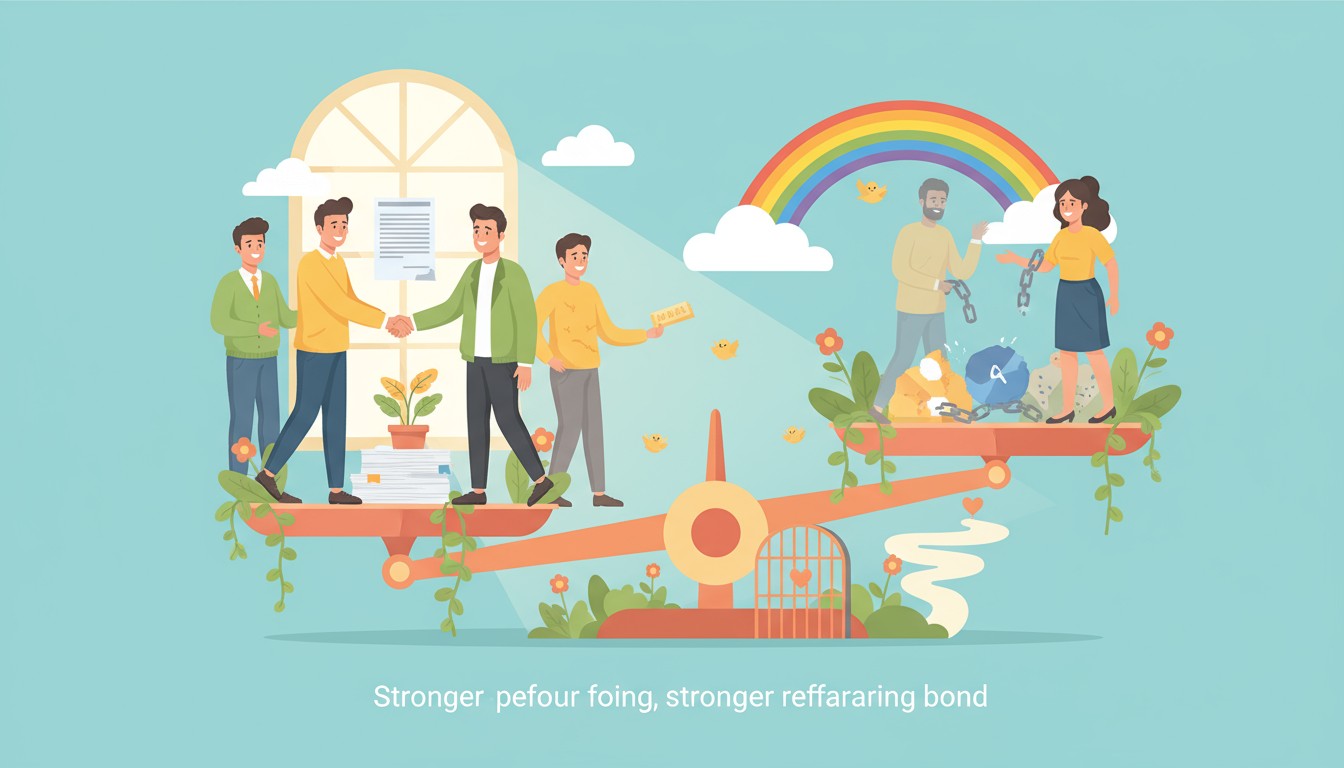
Legal disputes possess uncanny ability to reveal friendship authenticity with clarity that normal life circumstances rarely provide. While casual hardships allow people to maintain illusions about who would support them during genuine crises, litigation creates sustained stress testing friendships through prolonged difficulty, social awkwardness, financial strain, and endless need for emotional support without clear endpoints or guaranteed positive outcomes. This intense pressure quickly exposes which relationships possess genuine depth and which exist only on surface level maintained through convenience, shared activities, and mutual entertainment rather than authentic care about each other’s wellbeing during challenging circumstances requiring sacrifice, patience, and tolerance for complications that many people prefer avoiding in their carefully curated social lives.
The phenomenon affects virtually everyone navigating legal proceedings—research suggests that approximately seventy percent of litigation plaintiffs report significant friendship losses during cases, with many describing these social consequences as more painful than injuries prompting lawsuits initially. The pattern transcends demographics, affecting people across age groups, socioeconomic backgrounds, and social contexts, suggesting that legal disputes reveal universal truths about friendship fragility and human tendency to withdraw from others facing difficulties that feel uncomfortable, complicated, or potentially socially contaminating through association with litigation that carries cultural stigma despite often involving completely legitimate claims for genuine harm.
This exploration examines the specific ways legal disputes test friendships, investigates why people abandon friends involved in litigation despite previously seeming close and supportive, analyzes the judgment and blame that injured parties face from people they trusted, addresses the unexpected allies who emerge alongside surprising betrayals, and provides perspective helping plaintiffs understand that friendship losses during litigation reveal relationship reality rather than reflect their own inadequacy or flaws. The analysis draws from Psychology Today’s friendship research during crisis, social psychology examining support networks under stress, relationship dynamics studies, and lived experiences of people whose legal troubles separated genuine friends from superficial connections masquerading as meaningful relationships until difficulty exposed their limitations.
The Immediate Aftermath: Who Shows Up vs. Who Vanishes
The first few weeks after injuries or legal troubles begin provide initial sorting mechanism separating genuine friends from superficial connections—while everyone expresses concern initially when learning about accidents or injuries, response patterns quickly diverge between those who continue checking in, offering concrete help, and providing emotional support versus those whose concern evaporates after initial expressions of sympathy feel socially sufficient. Genuine friends call regularly without being prompted, ask specific questions about how they can help practically, show up with meals or assistance during recovery, and make sustained effort to maintain connection despite the complications and emotional heaviness that injury and litigation introduce into relationships previously characterized by lighter interactions around shared activities and mutual enjoyment.
Fair-weather friends, conversely, disappear quickly through patterns of gradual withdrawal—initial contact decreases noticeably within weeks, texts go unanswered for days before receiving brief non-committal responses, invitations to get together are declined with vague excuses about being busy, and eventually communication ceases almost entirely as these individuals quietly remove themselves from your life without explicit conversations about why friendships are ending. Many plaintiffs report the strange experience of people literally ghosting them after learning about lawsuits, with friends who previously seemed close simply vanishing from their lives as though the friendship never existed, leaving plaintiffs confused and hurt by abrupt abandonments that feel particularly cruel when occurring during periods of genuine need for social support and emotional connection.
The pattern often correlates with friendship convenience—relationships based primarily on proximity, shared activities, or mutual entertainment tend to collapse quickly when litigation introduces complications interfering with casual enjoyment that previously defined interactions. Friends who enjoyed your company for dinner parties, recreational activities, or lighthearted socializing often lack interest in supporting you through difficult experiences requiring patience, tolerance for stress and negativity, and ability to maintain connection when you cannot provide entertainment or positive energy that made you appealing social company before injuries and legal troubles transformed your circumstances and emotional availability for maintaining previous relationship dynamics that fair-weather friends prefer over actual friendship requiring investment during difficult times.
The Judgment Brigade: When Friends Blame the Victim
Perhaps most painful friendship betrayals involve people who respond to your legal troubles not with support but with judgment, questioning whether you share responsibility for accidents clearly caused by others’ negligence, suggesting that hiring attorneys makes you seem greedy or litigious, or implying that you’re overreacting to injuries that seem insufficiently serious to justify legal action. These judgmental responses reflect cultural attitudes stigmatizing litigation, but they hurt deeply when coming from people you trusted to understand your perspective and support your decisions rather than parroting societal messages that victims should accept harm quietly without pursuing legitimate compensation for genuine injuries requiring medical treatment and causing real financial losses.
The judgment often manifests through seemingly innocent questions that actually communicate skepticism or disapproval—”Are you sure you need a lawyer for this?” implies that your situation doesn’t warrant legal representation, “Won’t this lawsuit damage your relationship with [defendant]?” suggests that you should prioritize avoiding conflict over protecting your interests, and “How much are you suing for?” frames legitimate compensation claims as money-motivated opportunism rather than reasonable efforts to recover documented losses. These questions reveal that people you considered friends actually hold negative views about litigation overriding their loyalty to you, choosing to align with cultural narratives criticizing lawsuits rather than trusting your judgment about what your situation requires and supporting decisions you make about protecting your legitimate interests.
Some friends go further, explicitly stating that they believe you’re wrong to pursue legal action, that you should simply “move on,” or that litigation reflects character flaws like vindictiveness or greed despite knowing nothing about case details, injury severity, or financial impacts justifying your decisions. These harsh judgments from supposed friends often prove more painful than predictable criticism from defendants or insurance companies because you expected friends to provide unconditional support rather than moral evaluation of choices you made after careful consideration with professional legal guidance. According to research from Verywell Mind’s friendship psychology experts, judgmental responses during crises definitively identify relationships lacking genuine friendship foundations, as authentic friends provide support even when they might privately question decisions, trusting that friends possess valid reasons for choices they make about their own lives and circumstances.
Social Awkwardness: Why People Avoid Legal Complications
Many friendship losses during litigation stem from social awkwardness rather than malice—people genuinely don’t know how to interact with friends involved in legal disputes, feeling uncomfortable discussing cases they don’t understand, worried about saying wrong things that might upset you or damage your legal position, and generally preferring to avoid the whole complicated situation by maintaining distance rather than navigating unfamiliar social territory around litigation that they find confusing and stress-inducing. This avoidance reflects discomfort and conflict-aversion rather than deliberate cruelty, yet the impact feels similarly painful when friends you need disappear precisely because your situation makes them uncomfortable, essentially prioritizing their own comfort over supporting you during difficult circumstances requiring them to tolerate awkwardness they’d prefer avoiding.
The awkwardness intensifies when litigation involves mutual acquaintances or shared social circles—friends worry about appearing to take sides, fear that supporting you might damage their relationships with defendants or their families, and generally prefer staying neutral by withdrawing from everyone involved rather than maintaining friendships that suddenly feel politically complicated within social networks where multiple people have competing interests and conflicting perspectives about disputes that transform previously simple social dynamics into complex situations requiring careful navigation that many people simply refuse attempting. This calculated neutrality particularly stings when supposed friends essentially abandon you to avoid minor social discomfort, revealing that their friendship had limits where maintaining broader social harmony mattered more than supporting you during genuine hardship.
Some friends also worry about legal liability or involvement—they’ve heard vague warnings about being called as witnesses or subpoenaed for depositions, creating exaggerated fears that maintaining friendship might drag them into legal proceedings against their will despite this rarely occurring in personal injury cases. These unfounded anxieties nonetheless motivate withdrawal as friends distance themselves to avoid hypothetical legal entanglements, essentially treating you as toxic or dangerous to associate with when you need support most, choosing imagined self-protection over loyalty to relationships that should withstand temporary complications without friends abandoning you based on irrational fears about legal exposure that almost never materializes in reality but feels sufficiently threatening to justify abandonment.
Common Friend Behaviors Revealing Relationship Authenticity
The Slow Fade: Gradually reduced contact with increasingly delayed responses, declined invitations, and eventual cessation of communication without explicit conversations about why friendship is ending
The Topic Avoider: Changing subjects immediately whenever you mention the case, refusing to let you discuss litigation that occupies significant mental and emotional energy in your daily life
The Devil’s Advocate: Constantly playing devil’s advocate by defending defendants, questioning your decisions, or suggesting you might be partially responsible for injuries caused by others’ negligence
The Consistent Supporter: Regular check-ins without prompting, concrete offers of practical help, tolerance for discussing case stress, and sustained presence throughout entire litigation period regardless of complications
Financial Resentment: When Friends Judge Your Legal Costs
Legal disputes expose uncomfortable financial dynamics within friendships as people judge your decisions to spend money on attorneys while declining social invitations due to financial constraints from medical bills and lost income. Friends who previously never questioned your financial choices suddenly feel entitled to opinions about whether you can “afford” legal representation, whether your attorney fees seem excessive, or whether pursuing cases is “worth it” financially—judgments that reveal both misunderstanding of personal injury attorney fee structures (typically contingency-based requiring no upfront costs) and inappropriate involvement in financial decisions that aren’t their concern. These judgmental attitudes about legal spending while simultaneously expecting you to maintain previous financial contributions to social activities reflect selfishness where friends prioritize their own entertainment over understanding genuine financial strain litigation creates regardless of ultimate compensation received after cases resolve.
Conversely, some friends expect free legal advice or representation if you’re working with attorneys, asking you to connect them with lawyers for unrelated matters, requesting your attorney’s contact information without offering to pay for consultations, or expecting detailed legal advice about their own situations based on your experience navigating litigation. These expectations treat your difficult circumstances as networking opportunities benefiting them rather than serious hardships deserving support, essentially extracting value from your struggles without providing reciprocal support during periods when you need friends who give rather than take from relationships suddenly characterized by one-sided dynamics where friends expect benefits from your legal connections without offering emotional support, practical assistance, or basic friendship maintenance during challenging times.
Settlement outcomes particularly test friendships when friends learn compensation amounts and judge whether sums seem excessive, whether you “deserve” money received, or how you spend settlement funds paying medical bills, legal fees, and managing ongoing expenses from injuries rather than discretionary spending that friends might benefit from through your increased financial capacity. These judgments about compensation you earned through suffering and legal stress reveal that some friends feel entitled to opinions about your finances or harbor resentment about perceived windfalls despite having provided little support during litigation periods when you desperately needed understanding rather than judgment about financial matters that aren’t their business regardless of friendship intimacy that doesn’t extend to unlimited access to opinions about personal financial decisions and compensation deservingness.
Loyalty Tests: Who Protects Your Story vs. Who Gossips
Legal disputes reveal which friends maintain confidentiality versus those who gossip about your situation, spreading details you shared privately throughout broader social networks without your permission or awareness. Genuine friends protect information you share about cases, injuries, and legal strategies, understanding that litigation involves sensitive matters requiring discretion and that careless gossip could potentially damage your case or privacy. Fair-weather friends, however, treat your legal troubles as entertaining gossip material, sharing details at social gatherings, discussing your situation with mutual acquaintances who have no legitimate need to know, and generally violating trust by making your private struggles into public entertainment without consideration for how this gossip might affect you personally or legally.
The gossip often includes judgmental commentary or speculative additions beyond facts you actually shared—friends embellish stories, add their own interpretations about your motivations, speculate about settlement amounts, or frame your situation in ways that subtly undermine your credibility or suggest that you’re exaggerating injuries, pursuing frivolous claims, or behaving problematically. This social assassination through gossip proves particularly painful when discovering that people you trusted as friends were simultaneously criticizing you to others, maintaining friendly facades while privately spreading negative narratives about your character, decisions, or case legitimacy that they never expressed directly to you but felt comfortable sharing with acquaintances throughout social circles where reputation damage from gossip can affect multiple relationships beyond just the gossiping friend.
Social media amplifies these loyalty tests as friends’ posts, comments, or even likes on content related to your case reveal their attitudes and discretion levels—genuinely supportive friends either stay silent on social media about your situation or post only supportive messages you’ve explicitly approved, while problematic friends make vague-posting comments clearly referencing your situation, share articles about litigation with obvious relevance to your case, or fail to defend you when others make negative comments about lawsuits generally or your situation specifically. According to research from UC Berkeley’s Greater Good Science Center friendship researchers, loyalty during hardship represents fundamental friendship requirement, with confidentiality and discretion serving as basic expectations that any relationship claiming friendship status should meet consistently without requiring explicit requests or reminders about protecting sensitive information shared in confidence.
The Endurance Test: Friendships Through Extended Litigation
Extended litigation lasting months or years provides ultimate friendship test as initial supporters face decision points about whether to maintain engagement throughout entire proceedings requiring sustained tolerance for your ongoing stress, limited availability, emotional volatility, and continued need for support without clear endpoints or guaranteed positive outcomes. Many friendships surviving initial months deteriorate during extended litigation as friends grow tired of hearing about cases, frustrated by your continued struggles, or simply lose interest in maintaining relationships that feel burdensome compared to lighter friendships requiring less emotional investment and offering more immediate enjoyment and reciprocal benefits that litigation prevents you from providing when injuries and legal stress consume energy previously available for maintaining balanced relationships.
The friends who remain throughout entire litigation periods reveal themselves as genuine relationships worth preserving long-term—these individuals demonstrate remarkable patience, sustained interest in your wellbeing despite repetitive struggles, tolerance for emotional heaviness and reduced reciprocity, and commitment to friendship transcending convenience or immediate gratification. These enduring friends check in consistently without needing reminders, adjust expectations appropriately for what you can contribute to relationships during difficult periods, celebrate small victories throughout cases, and provide stable presence when everything else feels uncertain and overwhelming, essentially functioning as anchors keeping you grounded throughout storms that wash away superficial connections unable to withstand sustained difficulty.
Interestingly, some friendships strengthen through litigation as challenges reveal unexpected depths in relationships previously seeming casual—acquaintances sometimes step forward providing extraordinary support transforming surface-level connections into meaningful friendships forged through shared adversity and demonstrated loyalty during hardship. These upgraded relationships often prove more valuable long-term than pre-litigation friendships that seemed close but collapsed quickly under pressure, suggesting that adversity functions as refinement process improving overall friendship quality by removing shallow connections while strengthening or creating relationships possessing genuine substance and mutual commitment transcending convenience-based social bonds that dominate modern friendship landscapes characterized by breadth over depth.
Surprising Patterns: Unexpected Allies and Shocking Betrayals
Legal disputes consistently produce surprises about who provides support versus who disappears—people you considered closest friends sometimes vanish immediately while acquaintances you barely knew emerge as steadfast supporters, creating disorienting social realignment where pre-litigation friendship hierarchies prove completely unreliable predictors of who actually shows up during crises. Many plaintiffs report that their “best friend” ghosted them within weeks while colleagues, distant relatives, or casual acquaintances provided extraordinary sustained support throughout entire litigation periods, essentially reversing friendship rankings through revealed behavior during hardship that exposed which relationships possessed genuine substance versus surface-level closeness maintained through proximity and shared activities without underlying depth or commitment.
The patterns often correlate with people’s own experiences—friends who previously faced serious hardships tend to provide better support because they remember feeling abandoned during their own difficulties and consciously choose to behave differently toward others facing similar challenges. Conversely, friends whose lives remained relatively easy often lack empathy or understanding about what genuine hardship requires from support systems, failing to recognize that superficial expressions of concern feel meaningless without sustained presence and concrete assistance during extended difficult periods. According to Harvard Health research on relationship support, people who experienced adversity demonstrate significantly higher empathy and more effective support behaviors compared to those whose relatively easy lives left them unprepared for supporting others through genuine hardship requiring more than token gestures.
Age and life stage also influence patterns—older friends often provide more consistent support than younger ones, possibly because life experience taught them about adversity and friendship importance, while younger friends may lack maturity for sustained support during extended difficulties. Similarly, friends with families sometimes withdraw due to competing responsibilities while single or childfree friends maintain better availability, though exceptions exist where family-focused friends prioritize all relationships highly while some unencumbered friends still disappear because personal characteristics matter more than demographics for predicting supportiveness that reflects individual values, empathy capacity, and friendship commitment levels independent of age or life circumstances affecting availability.
The Silver Lining: Clarity as an Unexpected Gift
Despite painful friendship losses, many plaintiffs eventually recognize that legal disputes provided valuable service by revealing relationship reality, eliminating time-wasting investments in friendships lacking genuine substance while clarifying which relationships deserve continued nurturing and prioritization. This clarity, though acquired painfully, proves valuable long-term by preventing continued investment in superficial relationships that would eventually disappoint during future hardships, essentially accelerating inevitable friendship endings that would have occurred eventually when any serious difficulty exposed underlying shallowness. The litigation-induced friendship sorting creates opportunity for building stronger post-case social networks focused on quality over quantity, populated by people who demonstrated actual commitment rather than fair-weather friends who value only convenient relationships requiring minimal effort or emotional investment.
Many plaintiffs describe feeling liberated after accepting friendship losses, recognizing that maintaining relationships with judgmental or unsupportive people required exhausting effort hiding struggles and pretending everything was fine to avoid making friends uncomfortable with reality. Releasing these draining relationships creates space for deeper connections with supportive individuals who accept complete selves including struggles and difficulties rather than requiring curated presentations of perpetual happiness and stability that fair-weather friends demand as prerequisites for continued engagement. This liberation enables authenticity that shallow friendships prevented, allowing plaintiffs to build post-litigation social lives around genuine connections where they can be honest about ongoing challenges without fear of judgment or abandonment.
The experience also teaches valuable lessons about friendship requirements and green flags indicating relationship quality—having navigated litigation’s friendship sorting, many plaintiffs become more discerning about which new relationships deserve investment, more appreciative of friends who demonstrate loyalty and support, and more confident setting boundaries with people showing problematic patterns similar to friends who disappointed during litigation. This increased relationship wisdom represents unexpected positive outcome from otherwise difficult experiences, essentially developing sophisticated understanding about friendship that might have taken decades to acquire through normal life experiences but accelerated through intensive crash course in human nature and relationship authenticity that legal disputes provide efficiently despite their painful immediate impacts.
Moving Forward: Rebuilding Selectively and Wisely
After litigation concludes, plaintiffs face decisions about which friendships deserve repair attempts versus which losses should remain permanent—some disappeared friends reach out after cases settle, offering belated support or awkward attempts at reconnection without acknowledging their abandonment during difficult periods. These reconnection attempts require careful evaluation about whether friends genuinely regret their behavior or simply feel comfortable resuming relationships now that complications resolved, whether they’ve demonstrated growth and changed perspectives about friendship obligations, and whether you possess emotional capacity and desire for reconciliation versus preferring to move forward with social networks consisting entirely of people who proved their loyalty throughout entire litigation experiences.
Rebuilding focuses appropriately on quality over quantity—rather than trying to restore all pre-litigation friendships, many plaintiffs choose investing deeply in relationships that survived testing while letting go of connections that revealed themselves as superficial or unsupportive. This selective approach creates smaller but stronger social networks where every relationship possesses demonstrated value and reciprocal commitment rather than large networks padded with casual acquaintances mischaracterized as friends. The selectivity reflects hard-won wisdom about friendship requirements and appropriate investment levels for different relationship types, essentially applying litigation-learned lessons about authenticity to create intentional social lives aligned with values and needs rather than maintaining relationships through habit, proximity, or social obligation disconnected from genuine mutual care.
Legal disputes function as brutal but effective friendship sorting mechanisms, revealing with painful clarity which relationships possess genuine depth versus shallow connections maintained through convenience that collapse immediately when friendship requires tolerance for difficulty, sustained emotional investment, and loyalty during complications that fair-weather friends refuse navigating. Research demonstrates that approximately seventy percent of litigation plaintiffs experience significant friendship losses as people they trusted abandon them through gradual withdrawal, judgmental responses questioning their decisions, social awkwardness motivating avoidance, financial resentment, gossip and disloyalty, or simple inability to maintain engagement throughout extended proceedings requiring patience and sustained support without immediate gratification or reciprocal benefits. These patterns affect virtually everyone navigating legal cases regardless of demographics, revealing universal human tendencies toward self-protection and comfort-seeking that override friendship obligations for many people unwilling to sacrifice convenience or emotional ease for supporting friends through genuine hardship. The friendship losses prove painful yet ultimately valuable by exposing relationship reality, eliminating time-wasting investments in superficial connections, clarifying which friendships deserve continued prioritization, and teaching sophisticated lessons about loyalty, authenticity, and friendship requirements that might have taken decades to learn through gentler circumstances. The friends who remain throughout entire litigation periods—checking in consistently, providing practical help, tolerating emotional heaviness, protecting confidential information, and demonstrating unwavering presence despite complications—reveal themselves as genuine relationships worth preserving long-term and investing in deeply post-litigation when plaintiffs rebuild social lives selectively around quality connections that proved their substance through shared adversity. While legal disputes take much from those navigating them including health, finances, time, and emotional wellbeing, they provide unexpected gift of relationship clarity that enables building post-litigation lives around authentic friendships rather than superficial connections, ultimately creating opportunity for deeper satisfaction and security in social lives populated by people who demonstrated actual commitment rather than fair-weather friends whose eventual departure was inevitable but accelerated through litigation’s intensive relationship testing that separates genuine friends from casual acquaintances misrepresented as meaningful connections until difficulty exposed their limitations conclusively.